
San Marzano Tomatoes: The Truth, the Myths, and the Canned Conspiracy

Let’s talk tomatoes. Not just any tomatoes, but the San Marzano. If you’ve ever fallen down a pizza-making rabbit hole... and you're a pizza lover I'm fairly sure you did... you’ve probably seen the name floating around like some kind of holy grail.
But what’s the actual deal with these famous red gems? And why is everyone whispering about fakes, DOP stamps, and volcanic soil?
Grab a coffee (or a slice), and let’s dig in.
San Marzano is a climbing tomato

Well, to be fair that’s common to other kinds of tomatoes. The difference is that your average tomato plant waits for a mechanical harvester to come by, while San Marzano needs humans throughout the entire process.
Every step is manual: planting, tying, and indeed harvesting. You can’t just roll a machine over it. And because of that, the yield is tiny compared to regular tomatoes. We’re talking 800 quintals per hectare for San Marzano versus up to 1,500 for the classics. That’s a huge difference.
And yes, that’s one reason why it costs more. More on that later.
The volcano, the manual labor, and the DOP rules
San Marzano grows in the "Agro Sarnese-Nocerino" area, near Mount Vesuvius. The soil is volcanic, rich in minerals, and kissed by the sun like it’s trying to win a romance novel award.
But here’s the kicker: to be called San Marzano DOP, you have to play by strict rules. The tomatoes are harvested in three stages (bottom first, then middle, and finally top), always at peak redness when the sugar levels are perfect. And they get processed the same day. No waiting around for bacteria to crash the party.
The result? A sweet, delicate, almost hollow tomato (which is actually a good thing, more on that in a minute) that’s pure magic in a can.
So why did San Marzano almost disappear?
Blame it on hybrids. In the ’90s, farmers started switching to hybrid tomatoes that were easier to harvest, didn’t split during mechanical peeling, and had higher yields. The original San Marzano? Too fragile. It would crack under pressure.

Luckily, some old-school farmers kept growing it for themselves.
“Because it was good,” they said. A simple story of true love.
Today, the original variety is officially gone (apparently a virus wiped it out in 1991), but its descendants live on. There are 32 different biotypes in a regional gene bank in Campania alone. But only a few are allowed for DOP production.
How to spot a fake San Marzano
Here’s where it gets fun. The market is flooded with “San Marzano style” tomatoes. New reports have emerged of yet another lawsuit just a few days ago. But real ones? Super limited. Total production is about 4 million cans a year. Meanwhile, 5.6 million people live just in Campania. Do the math.
So how do you protect yourself?
1. Read the label like a detective
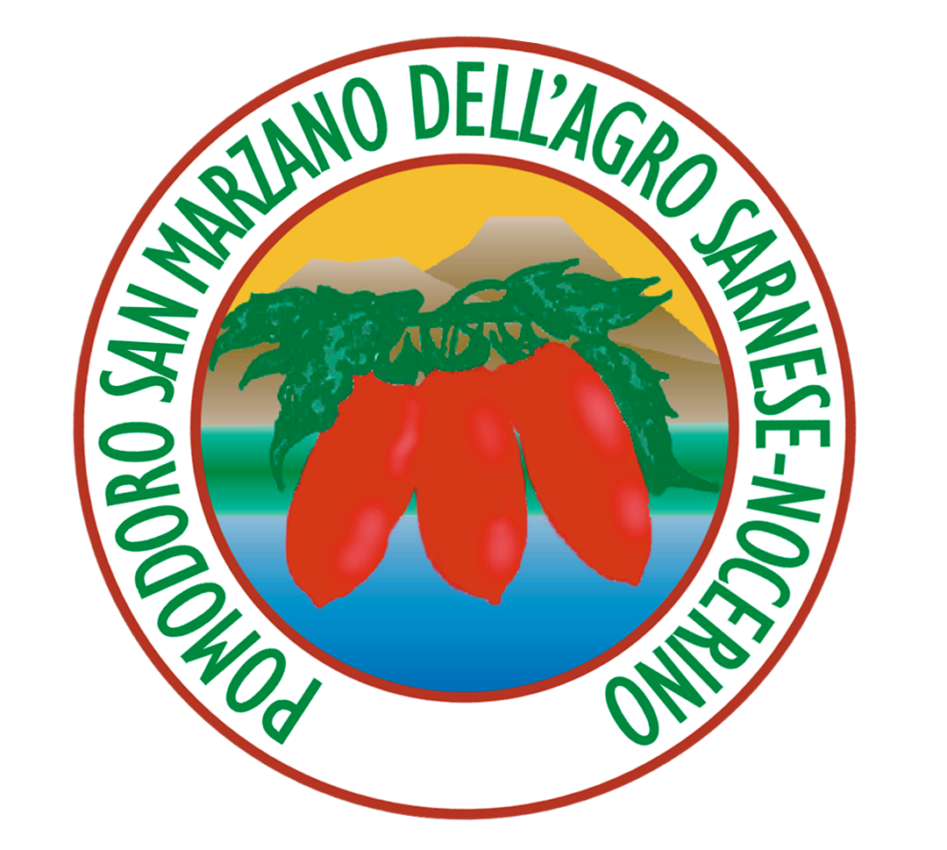
The real deal says: Pomodoro San Marzano dell’Agro Sarnese-Nocerino DOP. Nothing less. If you see “San Marzano style” or “type San Marzano” or anything like that… Just give them the cold shoulder and continue your shopping.
2. Look for the stamps
There’s a red and yellow DOP stamp plus another one from the official consortium. Both must be on the can.
3. Check the price
If your average can of peeled tomatoes cost say 1€/$/£ and next to it you spot a can of San Marzano that costs around the same price... that smells fishy!
A real San Marzano is soft, has a little dimple, and almost no green collar. The orignal version was slightly hollow with just two seed chambers, while hybrids are harder, have three chambers, and less intense perfume.
The variety most DOP producers use today is a genetically improved version called Kiros: firmer, with a more pronounced tip and three chambers. It smells less intense than the original but still has that beautiful glutamic acid kick that comes alive during long cooking—umami anyone?
So no, it’s not the grandma version, but it’s still excellent.

These details are helpful to spot the real thing, but if you want my two cents, I'd suggest not to obsess with San Marzano. Is delicious, sure, but that doesn't mean that you can't make a great pizza without it. Good quality goes a long way, so get a can of whole peeled tomatoes, and make sure you buy the best you can afford.
Then, prepare a nice pizza sauce following the advice you see in this video 🍅
If you liked this article, you’ll find a few ways below to support my work and help me keep nerding out about pizza. And if you have any questions or thoughts just leave a comment, I always enjoy this kind of conversations.
Ciao, see you next time 🍕

Here's how you can support me!
🍕 You can get my first book or the second one
🌾 You can simply buy me a bag of flour
Copyright Disclaimer: All the content published on Fabioulouspizza.com is the intellectual property of Fabio Errante, unless stated otherwise. Unauthorized use and/or duplication of this material without express and written permission from this site’s author and/or owner is strictly prohibited. Excerpts and links may be used, provided that full and clear credit is given to Fabioulouspizza.com with appropriate and specific direction to the original content.


Comments